

Holistic Health Tips for Chronic Illness Management
Updated: Oct 8, 2025
Living with a chronic illness can feel overwhelming. The daily challenges can drain your energy and affect your mood. However, managing your health holistically can make a significant difference. Holistic health focuses on the whole person, considering physical, emotional, and spiritual well-being. This approach can empower you to take control of your health and improve your quality of life.
In this post, we will explore practical holistic health tips that can help you manage chronic illness effectively. From nutrition to mindfulness, these strategies can support your journey toward better health.
Understanding Holistic Health
Holistic health is about more than just treating symptoms. It involves looking at the entire person and how different aspects of life interact. This means considering your physical health, mental well-being, emotional state, and even your social connections.
When you adopt a holistic approach, you can create a balanced lifestyle. This balance can lead to improved health outcomes and a greater sense of well-being.
Nutrition: Fueling Your Body
Nutrition plays a crucial role in managing chronic illness. The food you eat can either support your health or contribute to your symptoms. Here are some tips to enhance your nutrition:
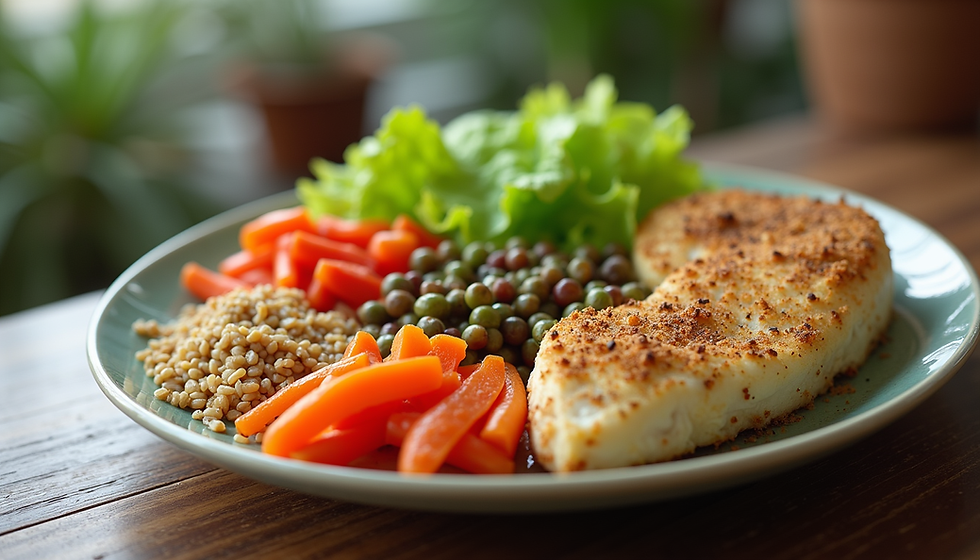
Focus on Whole Foods: Choose fresh fruits, vegetables, whole grains, and lean proteins. These foods are packed with nutrients that can help your body function better.
Stay Hydrated: Drinking enough water is essential. Aim for at least eight 8oz glasses a day* (depending on body weight). Hydration can help reduce fatigue and improve overall health.
Limit Processed Foods: Processed foods often contain unhealthy fats, sugars, and additives. Reducing these can help minimize inflammation and improve your energy levels.
Consider Anti-Inflammatory Foods: Foods like turmeric, ginger, and fatty fish can help reduce inflammation. Incorporating these into your diet may provide relief from chronic pain.
Listen to Your Body: Everyone's body reacts differently to foods. Pay attention to how certain foods make you feel and adjust your diet accordingly.
Mindfulness and Stress Management
Chronic illness can lead to increased stress and anxiety. Practicing mindfulness can help you manage these feelings. Here are some techniques to consider:
Meditation: Spend a few minutes each day in quiet reflection. Focus on your breath and let go of distractions. This practice can help calm your mind and reduce stress.
Deep Breathing Exercises: When you feel overwhelmed, take a moment to breathe deeply. Inhale slowly through your nose, hold for a few seconds, and exhale through your mouth. This can help lower your heart rate and promote relaxation.
Yoga: Gentle yoga can improve flexibility and reduce stress. Look for classes designed for beginners or those with chronic conditions.
Gratitude Journaling: Write down three things you are grateful for each day. This simple practice can shift your focus from what is wrong to what is positive in your life.
Physical Activity: Moving Your Body
Regular physical activity is essential for managing chronic illness. It can boost your mood, improve your energy levels, and enhance your overall health. Here are some tips to get started:
Find Activities You Enjoy: Whether it’s walking, swimming, or dancing, choose activities that make you happy. This will make it easier to stick with a routine.
Start Slow: If you are new to exercise, begin with short sessions. Gradually increase the duration and intensity as your body allows.
Incorporate Movement into Your Day: Look for opportunities to move throughout the day. Take the stairs instead of the elevator, or go for a short walk during breaks.
Listen to Your Body: Pay attention to how your body feels during and after exercise. If something doesn’t feel right, adjust your routine accordingly.
Building a Support System
Having a strong support system is vital for managing chronic illness. Surrounding yourself with understanding and caring individuals can make a significant difference. Here are some ways to build your support network:
Connect with Others: Join support groups, either in-person or online. Sharing experiences with others who understand can provide comfort and encouragement.
Communicate with Loved Ones: Talk openly with family and friends about your needs and feelings. Let them know how they can support you.
Seek Professional Help: Consider working with a therapist or counselor. They can provide guidance and coping strategies tailored to your situation.
Sleep: Prioritizing Rest
Quality sleep is essential for overall health, especially when managing chronic illness. Here are some tips to improve your sleep:
Establish a Sleep Routine: Go to bed and wake up at the same time each day. This helps regulate your body’s internal clock.
Create a Relaxing Environment: Make your bedroom a peaceful space. Keep it dark, quiet, and cool to promote better sleep.
Limit Screen Time Before Bed: The blue light from screens can interfere with your ability to fall asleep. Try to avoid screens for at least an hour before bedtime.
Practice Relaxation Techniques: Engage in calming activities before bed, such as reading or taking a warm bath. This can help signal to your body that it is time to wind down.
Embracing Alternative Therapies
Alternative therapies can complement traditional medical treatments. While they may not replace conventional care, they can provide additional support. Here are some options to consider:
Acupuncture: This ancient practice involves inserting thin needles into specific points on the body. It may help relieve pain and reduce stress.
Massage Therapy: Regular massages can help alleviate muscle tension and promote relaxation. Look for a therapist experienced in working with chronic illness.
Herbal Remedies: Some herbs may offer health benefits. However, consult with a healthcare professional before trying any new supplements.
Aromatherapy: Essential oils can promote relaxation and improve mood. Consider using a diffuser or adding a few drops to your bath.
Staying Informed and Empowered
Knowledge is power when it comes to managing chronic illness. Staying informed about your condition can help you make better decisions. Here are some ways to empower yourself:
Educate Yourself: Read books, articles, and research studies about your condition. Understanding your illness can help you advocate for yourself.
Ask Questions: Don’t hesitate to ask your healthcare provider questions. Understanding your treatment options can help you feel more in control.
Track Your Symptoms: Keep a journal of your symptoms, triggers, and responses to treatments. This information can be valuable for discussions with your healthcare team.
Finding Balance in Life
Living with a chronic illness often requires finding balance. It is essential to prioritize self-care while also engaging in activities you enjoy. Here are some tips for achieving balance:
Set Realistic Goals: Break larger tasks into smaller, manageable steps. Celebrate your achievements, no matter how small.
Make Time for Hobbies: Engage in activities that bring you joy. Whether it’s painting, gardening, or reading, make time for what you love.
Practice Self-Compassion: Be kind to yourself. Understand that it is okay to have bad days. Allow yourself to rest and recharge when needed.
The Journey Ahead
Managing chronic illness is a journey, not a destination. Embracing a holistic approach can empower you to take control of your health. By focusing on nutrition, mindfulness, physical activity, and building a support system, you can improve your quality of life.
Remember, you are not alone in this journey. Seek support, stay informed, and prioritize self-care. With time and effort, you can find balance and live a fulfilling life despite the challenges of chronic illness.

As you navigate your path, keep these holistic health tips in mind. They can serve as a guide to help you manage your chronic illness and enhance your overall well-being. Embrace the journey, and take it one step at a time.
with love, CB
Proper daily water intake can be estimated by taking half of your body weight in pounds and drinking that number in ounces.


Comments